Hosted like family.
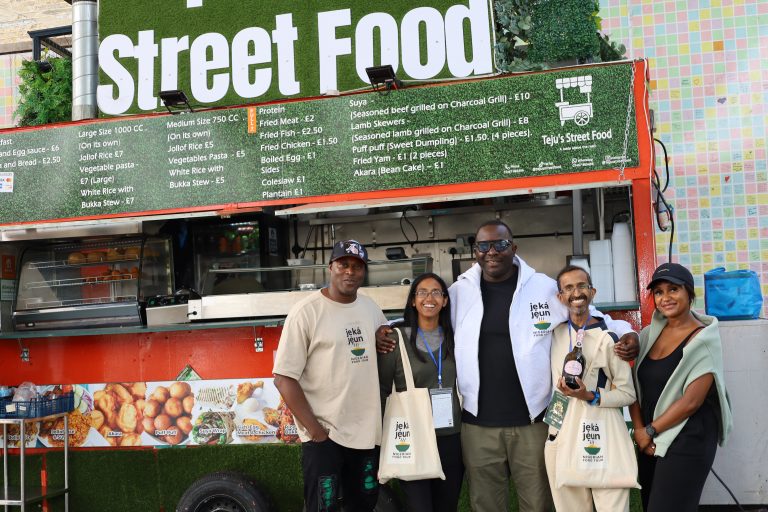
A tour is only as good as the person leading it. Ours are led by people who grew up with this food, speak the culture fluently and treat every group like guests at their own table.
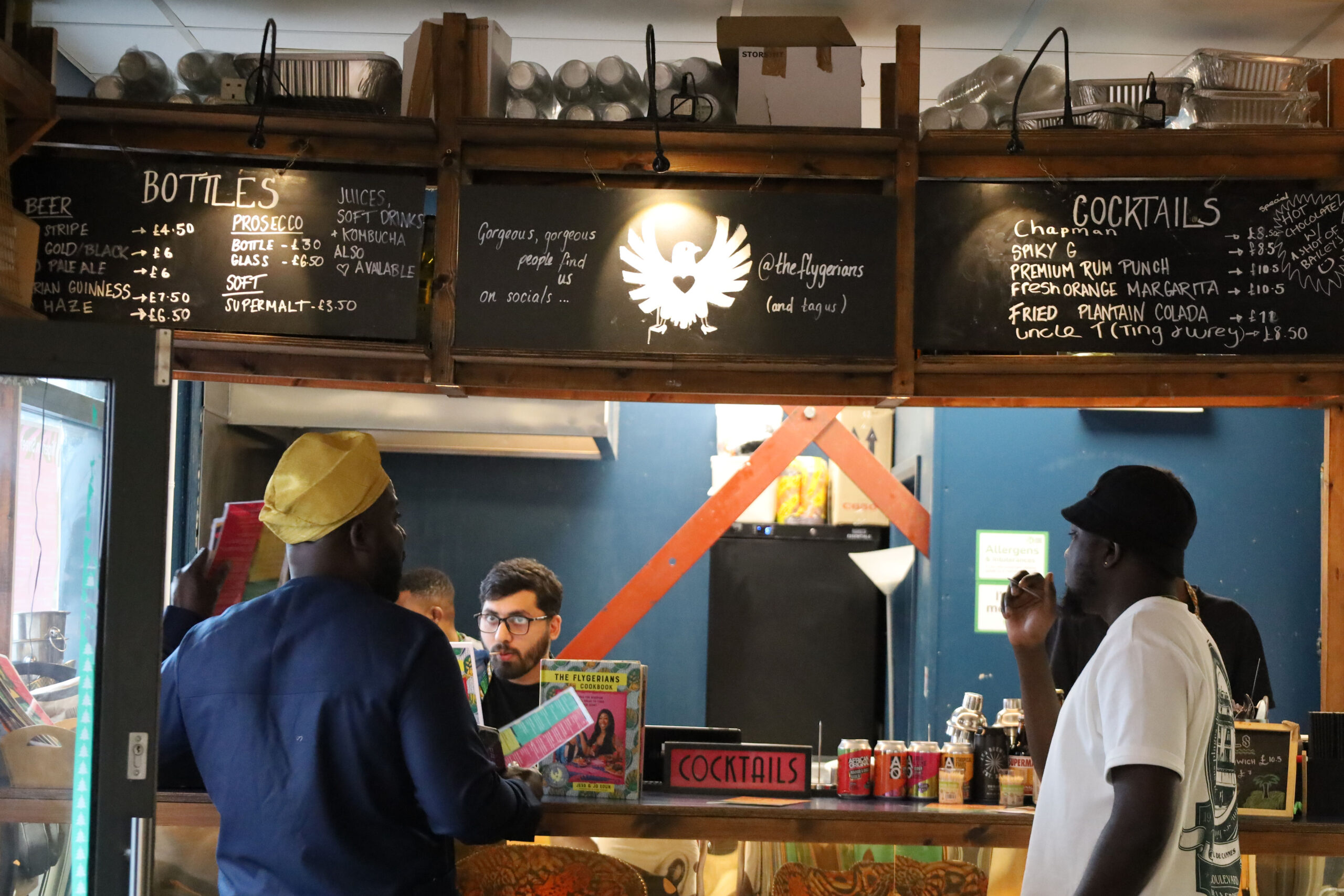
Mr Efosa.
Mr Efosa built jẹká jẹun around a simple belief: the best way to understand a culture is to be fed by it. He leads the tour the way he would host you at home, with generous plates, honest stories and a running commentary you will still be quoting on the way back.
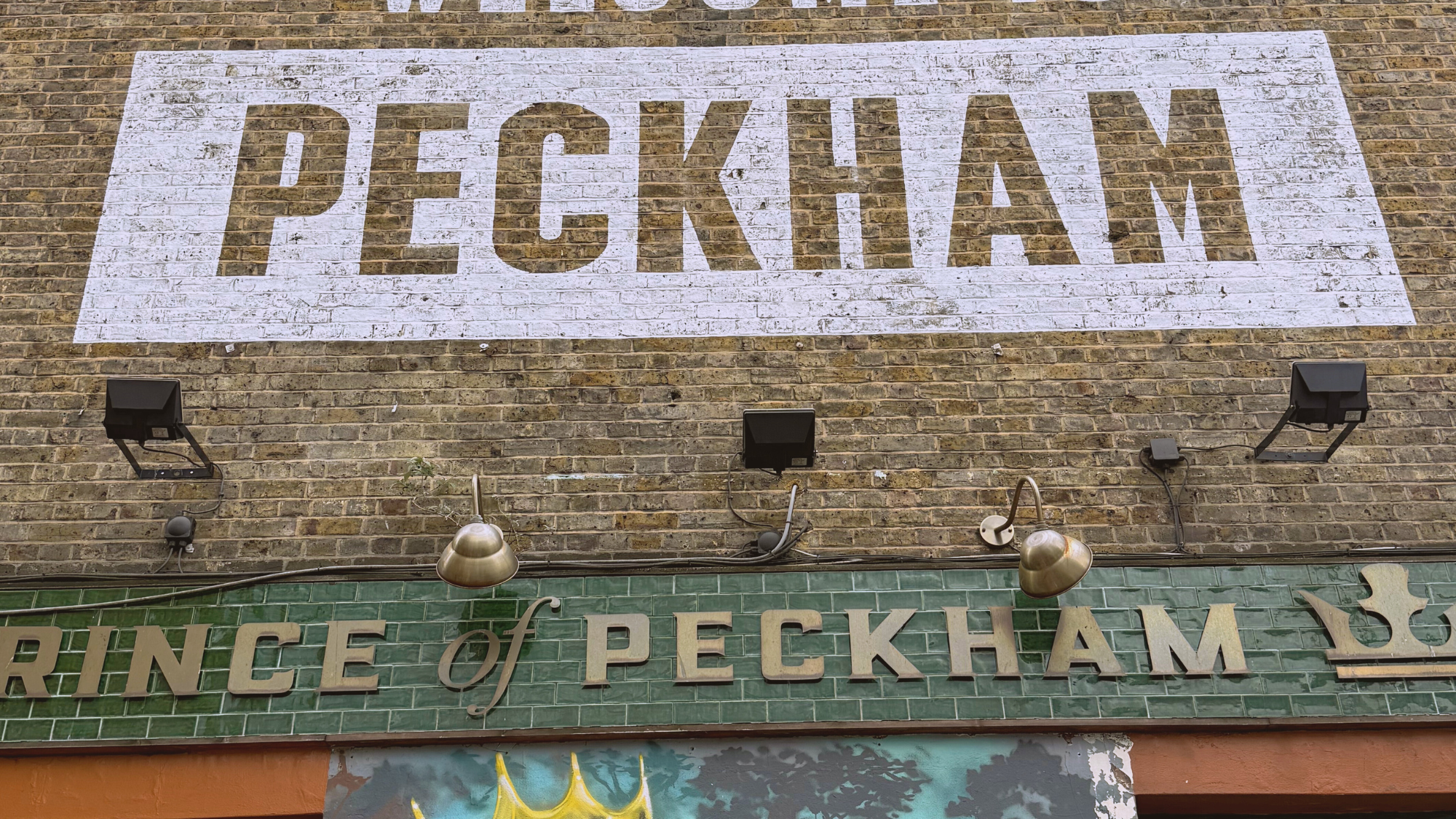
Expect to learn how to greet in Yoruba, which pepper to respect, and why Peckham means so much to the people who cook here.
Read the jẹká jẹun storyThree rules of the table.
Nobody left behind
Solo guests, couples, first-timers, diaspora regulars: everyone gets pulled into the conversation. By the second stop the group has usually named itself.
Stories over scripts
No laminated facts. The history and culture come out the way they do at a family table: through food, memory and the odd friendly argument.
Generosity as standard
Portions are proper, drinks keep coming, and if you loved something, we will tell you exactly where to find it again.
What guests say about the hosting.
Our host made the whole thing. Funny, generous, endlessly knowledgeable, and somehow remembered everyone’s name and spice tolerance.
It felt less like a tour and more like being shown around by a friend who happens to know everybody in Peckham.
I came on my own and never once felt like a spare part. The hosting is the secret ingredient.
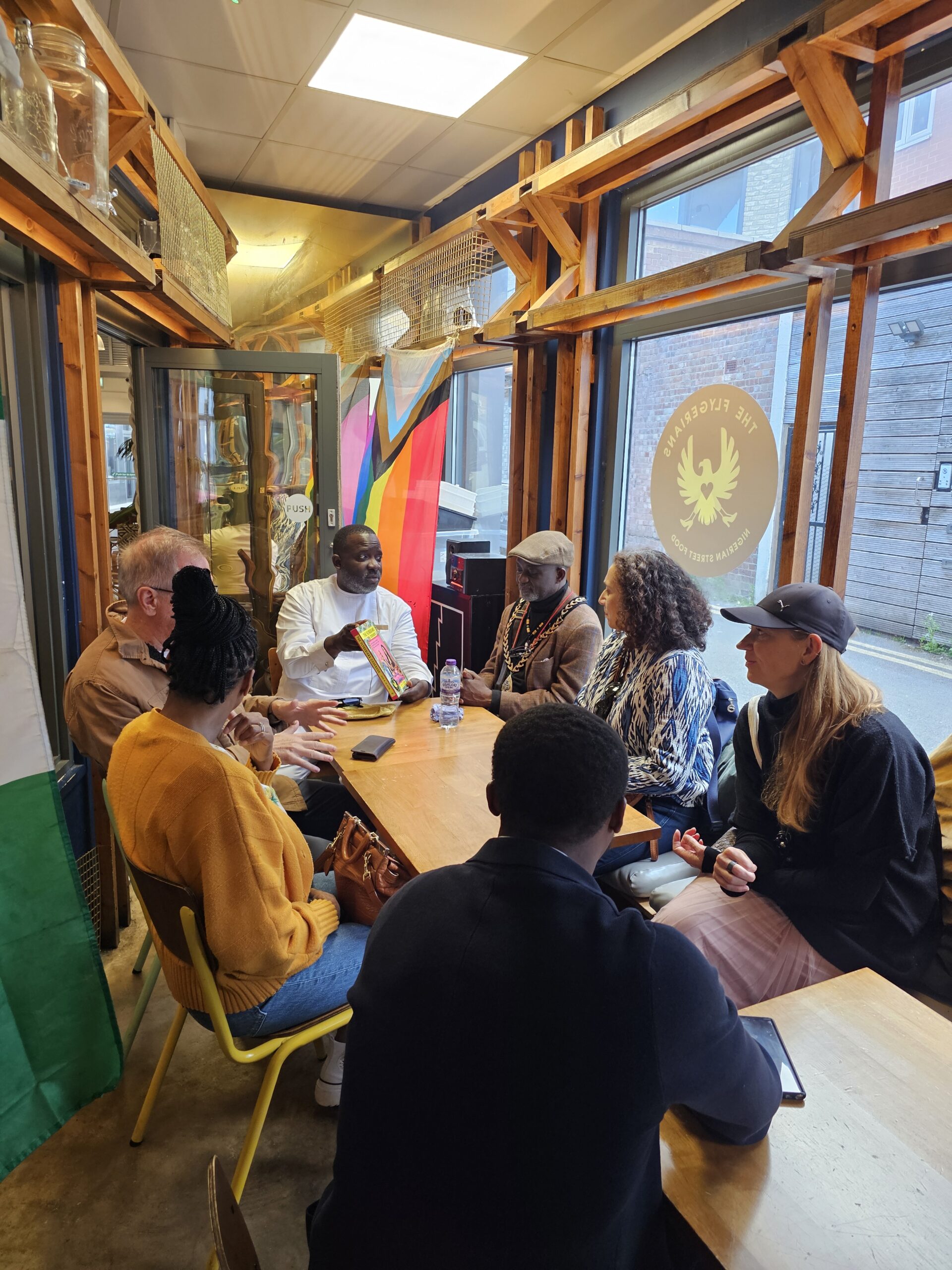
The work before the welcome.
Come and be hosted.
Pick a Saturday and let us do the rest. Come hungry, leave with stories.